





Bigpay77 App In Real Daily Use
The phone version should feel like a shortcut, not a chore. You open it, you find what you want, and you move. That is the ideal rhythm. Not endless scrolling. Not five tabs open in the background. Not a hot phone and a dying battery while you try to remember where the cashier sits.
You are standing in line for coffee, one hand on the phone, notifications coming in from everywhere, and the lobby looks busy. That is when simple habits matter. Search once. Favorite a few titles you actually like. Turn off noisy notifications that tempt you late at night. Keep security alerts if you want them, mute the rest.
And keep expectations grounded. Mobile play works best in short, clear bursts. The platform is presented as accessible in Australia for eligible users under applicable rules and account terms, so the cleanest way to use it is to stay organized from the start. Fast sessions. Clean settings. Clear stop points.
First Launch On A Busy Day
First launch tells you a lot. If the menus feel clean and the buttons respond properly, the rest of the session already feels lighter. But if you rush through setup, skip the settings, and jump straight into the lobby, you create friction for yourself.
You unlock the phone on the train, tap into the client, and the first banner screams for attention. Do not slap the screen and keep moving. Open settings first. Turn on biometric login if the option exists. Check whether the sound is too loud. Set the app to something that fits your day, not the other way around.
Building A Cleaner Session
A short routine changes everything. Open the client, check the balance once, set a timer, then play. When the timer ends, close the app fully - not minimize, close. That ending matters more than people think because it stops the slow drift into “just one more round.”
You are on the couch after dinner and the session starts stretching. That is the moment to trust the timer, not the mood. Mood lies. Timers do not.
Wallet Tools, Deposits, And Payout Prep
Money actions are where calm players separate themselves from frantic ones. On a phone, the keyboard covers fields, weak internet makes pages reload, and tiny mistakes become annoying support messages later. So the cashier needs structure.
You are about to add funds while your phone is at 9% and four apps are still running in the background. Bad setup. Charge first. Close what you do not need. Then open the cashier screen on stable internet and do one action at a time.
Start small with any new route. That is not hesitation. That is learning. A modest test shows you what the confirmation page looks like, what your provider message looks like, and how your own phone behaves. That knowledge is worth more than guesswork.
Keep the route stable for a while. People love switching methods because someone online said another one felt faster. That creates a messy pattern. A stable method, repeated a few times, tends to feel calmer and easier to manage.
And separate the emotional side from the financial side. Deposits made while bored or irritated grow too quickly. Payout requests made in a hurry become messy. The cashier belongs to the calm version of you.

Tool Or Route Style | What It Helps With | What To Check First | Common Friction | Better Habit |
|---|---|---|---|---|
Bank-linked card | Familiar top-ups | Bank acceptance and limits | Provider decline or weekend delay | Try earlier in the day |
Wallet service | Faster phone handling | Wallet limits and login state | App lock prompts or route caps | Keep one device active |
Bank transfer | Planned larger movement | Cutoff windows | Extra review or longer wait | Build more buffer |
Digital coin route | Flexible transfers | Address and network | Wrong network or typo | Double-check every field |
Transaction history | Tracking requests | Time and status label | Duplicate actions after lag | Check history before tapping again |
Keeping Cashier Actions Calm
One small rule prevents a lot of trouble: if the screen lags, do not tap again. Check history first. If an entry exists, leave it alone. If nothing appears, reload once and only then decide what to do next.
You are staring at a spinning confirmation page and your thumb wants to force the process forward. That impulse causes more trouble than slow processing ever does. Let the screen breathe, then verify the result in history. Calm beats speed here.
Bigpay77 App Download On Android And iPhone
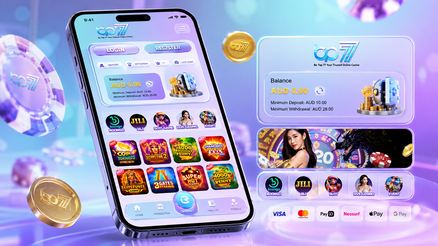
Installation feels easy right up until you do it badly. A rushed install on unstable internet or on a phone with no storage left can make the whole thing feel broken later, even when the problem was the device, not the platform.
You are setting it up on your main phone and you want it done in three minutes. Fine. Just do three quiet checks first: operating system updated, enough storage, stable connection. That tiny prep prevents most first-day complaints.
Some players prefer the full install. Others like using a browser shortcut pinned to the home screen because it feels lighter. Both can work. The wrong move is grabbing random files from messages or pop-ups. Trusted sources only. Boring choice. Good choice.
Once it is installed, open the client once on strong internet and let the lobby settle. Then close it and reopen. The second open is often much smoother because core elements are already loaded.
Search, Lobby Speed, And Battery Drain
Mobile play feels best when you stop treating the lobby like social media. Endless scrolling is what turns five clean minutes into forty foggy ones. Search, pick, play, stop.
You are waiting for a friend outside a shop and the temptation is to browse everything because it is right there in your hand. That browsing is the trap. A smaller favorites list is faster, calmer, and much easier on both time and battery.
Heat and battery saver also change the feel of the session. A hot phone makes taps sloppy. Saver modes can throttle performance and make the app feel heavier than it really is. If the device feels warm, give it a break.
Favorites Beat Endless Scrolling
The favorites list should stay short. Not two hundred titles. A real list. Ten, maybe fifteen. Enough to keep variety alive, not enough to recreate the whole lobby inside another tab.
You open the app during a short break and head straight to saved titles instead of drifting through categories. That one move makes the session feel intentional. Intentional sessions are easier to stop on time.
When The Lobby Feels Heavy
A heavy lobby is often a phone problem wearing a casino costume. Low storage, background apps, overheating, and poor connection all push the interface into molasses mode.
You try to tap a menu and it lags. Close other apps. Lower brightness. Restart once. If the phone is hot, let it cool. If it still feels bad, do not force a session out of irritation. Come back later.
Mobile Data, Wi-Fi, And Public Networks
Not all internet is equal. Public Wi-Fi is fine for reading menus. It is not the best place for money actions or sensitive account steps. Use mobile data or trusted Wi-Fi when you are signing in, depositing, or requesting a payout.
You are at the airport, connected to a captive portal, and the page keeps jumping. That is browsing territory, not cashier territory. Handle serious actions later from a cleaner connection.
Account Security And Device Control
Security gets ignored right up until something feels off. Then suddenly it becomes the most important topic in the room. Better to handle it early while your brain is calm.
Use a strong password. Use biometrics if the option exists. Keep your email secure too, because email is often the doorway back into the account if anything goes sideways. One weak link makes the rest of the setup feel weaker.
And stick to one main device. A phone is enough. The more you bounce between tablet, phone, and laptop during the same week, the more noise you create. Noise leads to extra checks, and extra checks make simple tasks feel bigger than they are.
If you ever use a shared device, log out when you finish and clear saved credentials. This sounds obvious. People still forget.
Sign-In Habits That Save Trouble
A clean sign-in routine takes thirty seconds and saves a lot of nonsense later. Open the client, sign in once, finish the session, sign out only if the device is shared. No repeated log-in, log-out loops just because the session feels slow.
You keep switching devices because one screen is bigger and one is closer. That feels harmless until a verification prompt appears at the wrong moment. One device for the session is a better rule.
Profile Changes On Quiet Days
Profile edits belong on calm days, not payout days. Changing your email, password, and phone details right before you want money to move is a good way to create review friction.
You decide to “clean up the account” right before asking for a withdrawal. Bad timing. Do the cleanup first, on a separate day, then let the account sit in peace for a bit. Quiet patterns are easier to process.

Support, Fixes, And A Real 2026 Routine
Support works best when you stop treating it like a complaint box and use it like a timeline tool. Time of issue, device, what you clicked, what label appeared, one screenshot. That is enough to begin. Ten emotional messages with no details are worse than one useful one.
You get a strange error, then start typing a dramatic paragraph from the sofa. Stop. Screenshot it. Note the time. Reproduce it once if needed, then send the clean report. That gives support something to work with.
By 2026, the smartest mobile players are not the ones who squeeze the most minutes out of the app. They are the ones who create repeatable routines. Small top-up tests. One main route. One main device. Short sessions. Clean exits. Clear records.
That kind of routine feels less exciting in the moment. It also feels much better a day later when your history screen still makes sense and your account is not cluttered with odd half-actions.
A Better Night Routine
A good night routine is plain. Check the clock. Set the session timer. Pick one or two titles. Keep the stake flat. Stop when the timer ends. Close the app fully and move on with the evening.
You feel the urge to keep going because the session almost feels “alive.” That is the exact moment the routine proves its value. Close it anyway.
When To Contact Support
Contact support after you have done the obvious checks, not before. History screen checked. Internet stable. One restart done. Screenshot saved. Then send the short report.
You are sitting there wondering whether support needs your whole story. They do not. They need the useful parts. Time, action, result, image. That is enough.